In assisted living communities, clear and immediate communication isn't just an operational preference—it's a core component of resident safety, staff coordination, and family trust. Traditional legacy landlines and outdated PBX systems often leave care teams tethered to central desks, leading to delayed response times and communication silos.
Adopting Voice over Internet Protocol (VoIP) allows senior living facilities to replace rigid physical wiring with flexible, cloud-based voice systems integrated into daily care workflows.
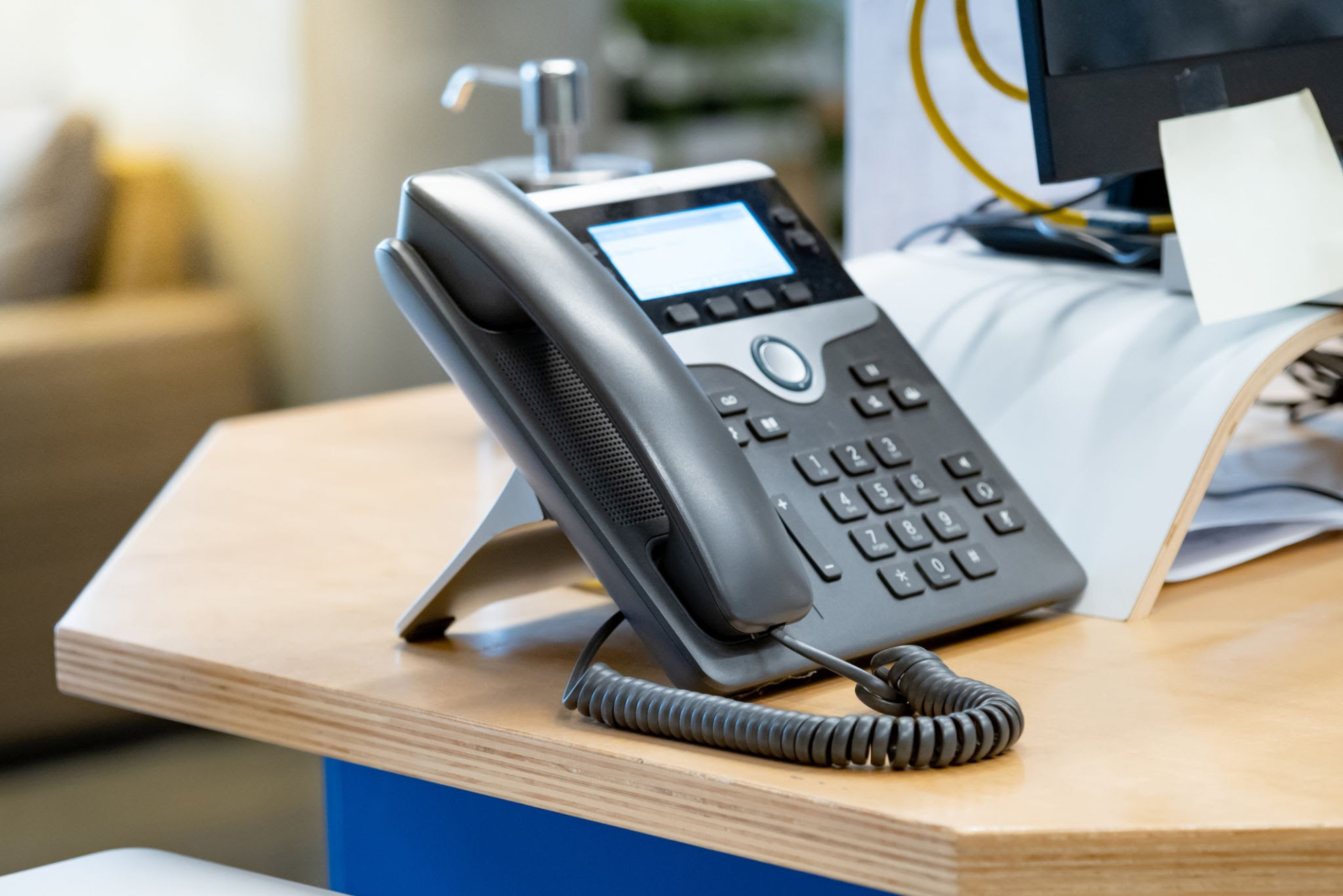
Faster Response Times and Nurse Call Integration
When a resident triggers a pendant or bed-side call light, every second counts. Legacy systems rely on central chime boards or wall units, requiring staff to walk back and forth to check alerts.
Modern VoIP platforms integrate directly with e-Call and nurse alert systems. Alerts route instantly to caregiver mobile handsets or softphone apps, allowing staff on duty to receive real-time notifications with room details wherever they are on the floor.
Seamless On-The-Go Staff Coordination
Assisted living staff—from nurses and medtechs to maintenance and dining personnel—are rarely seated at a desk.
- Mobile Softphone Extensions: Staff members carry VoIP-enabled smartphones or wireless handsets, letting them answer internal extensions or family inquiries anywhere on campus.
- Dynamic Ring Groups: Call groups route incoming calls based on active shift schedules, ensuring care inquiries never go to an unattended desk.
- Broadcast & Intercom: Instant push-to-talk messaging across departments streamlines urgent requests (e.g., medical assistance or facility maintenance).
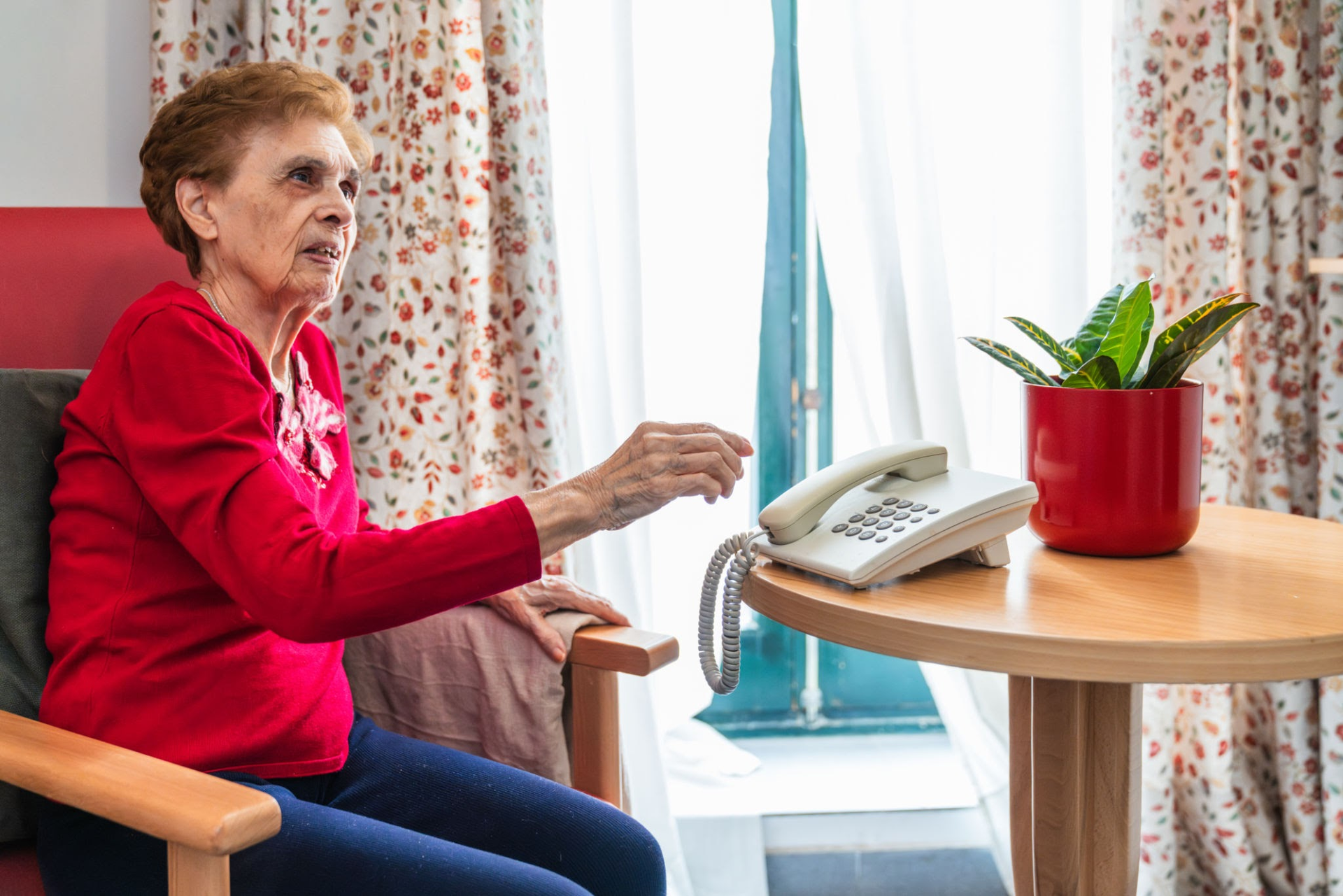
Keeping Families Informed and Connected
Families want consistent, reassuring communication about their loved ones. VoIP empowers administrative and care teams to maintain open channels through:
Feature | Operational Benefit | Family Impact |
Voicemail-to-Email | Transcribes voicemails and delivers them straight to staff inbox. | Staff review and act on family messages even during rounds. |
Automated Business SMS | Sends automated appointment and wellness reminders via text. | Keeps family updated on schedules without manual phone tag. |
Custom Auto-Attendant (IVR) | Directs callers to nursing, billing, or dining options instantly. | Eliminates long hold times and reduces front-desk bottlenecks. |
Operational Cost Savings and Reliability
Maintaining legacy copper-wire PBX hardware is expensive and prone to downtime during weather events. Transitioning to cloud VoIP delivers clear operational advantages:
- Lower Overhead: Replaces heavy on-premises hardware with predictable per-seat monthly subscriptions.
- Business Continuity: If local power or main lines drop, cloud PBX automatically reroutes call traffic to mobile devices or secondary failover locations.
- HIPAA & Compliance Alignment: Leading VoIP providers offer encrypted call logging, secure voicemail storage, and Business Associate Agreements (BAAs) required for health data privacy.
Moving Forward with VoIP Implementation
Migrating an assisted living community to cloud voice starts with a network audit to ensure internet bandwidth can support high-volume HD audio. Selecting a provider experienced in senior living workflows ensures smooth integration with existing emergency call systems and EHR platforms.
WAVETECH helps senior living organizations evaluate existing systems, choose the right features, and ensure a smooth transition. This creates a flexible communication setup that keeps staff connected, supports residents, and boosts business continuity.
Ready to plan your senior living phone system upgrade? Request a consultation with WAVETECH to discuss your current communications setup and explore modernization options.